
"global fund"
300 article(s) found

History of International Coffee Organization
In the 19th century, coffee became an important commodity in the international trade market. For a long time after that, the coffee market was often in a state of oversupply, low prices, and occasional price increases in short supply, but for a short period of time. During the economic crisis of the 1930s and during World War II (1939-1945), the coffee market supply
International Coffee Organization Historical Fine Coffee Bean Organization
In the 19th century, coffee became an important commodity in the international trade market. For a long time after that, the coffee market was often in a state of oversupply, low prices, and occasional price increases in short supply, but for a short period of time. During the economic crisis of the 1930s and during World War II (1939-1945), the coffee market supply

A detailed introduction to the establishment, historical origin and current situation of the International Coffee Organization
The International Coffee Organization is an intergovernmental organization founded in London in 1963. It is composed of coffee importers and exporters. The organization is responsible for implementing the International Coffee Convention and is committed to improving the situation of the world coffee industry through international cooperation. Organizational and functional editorial contributions the International Coffee Organization has made a special contribution to the world coffee industry through: (1) organizing regular high-level meetings
The International Coffee Organization's historical boutique coffee organization
In the 19th century, coffee became an important commodity in the international trade market. For a long time after that, the coffee market was often in a state of oversupply, low prices, and occasional price increases in short supply, but for a short period of time. During the economic crisis of the 1930s and during World War II (1939-1945), the coffee market supply

Basic knowledge of boutique coffee beans History of International Coffee Organization
In the 19th century, coffee became an important commodity in the international trade market. For a long time after that, the coffee market was often in a state of oversupply, low prices, and occasional price increases in short supply, but for a short period of time. During the economic crisis of the 1930s and during World War II (1939-1945), the coffee market supply

Study says drinking coffee can counteract the side effects of drinking and reduce the risk of liver cancer
Chinanews.com, March 30-according to a report by the Central News Agency on the 30th, the latest research shows that in addition to awakening you who are drowsy in the morning, coffee can only drink one cup a day and even reduce the physical side effects caused by drinking three cups of wine a day, which in turn reduces the risk of liver cancer. According to the report, in a report released by the World Cancer Research Fund (World Cancer Research Fund), researchers analyzed the world
El Salvador, the global coffee producer
El Salvador, the global coffee producer, is one of the small countries in Central America with a very dense population. The flavor of coffee is characterized by excellent balance. Today, this coffee accounts for 40% of the country's exports. The best quality coffee is exported from January to March, and 35% of the extra hard beans are exported to Germany. In the early 1990s, guerrilla warfare greatly damaged the country's national economy.
Fine Coffee General knowledge International Coffee Organization History
In the 19th century, coffee became an important commodity in the international trade market. For a long time after that, the coffee market was often in a state of oversupply, low prices, and occasional price increases in short supply, but for a short period of time. During the economic crisis of the 1930s and World War II (1939-1945), the coffee market
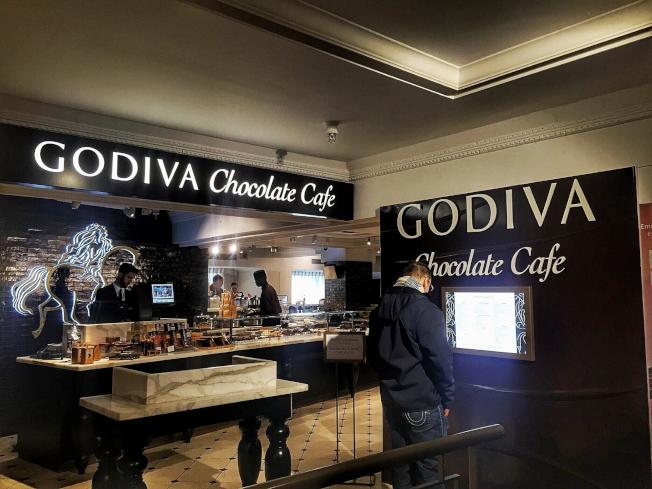
Godiva Godivan sells part of his business and wants to open a coffee shop! Coffee is easier to earn than chocolate?
Professional coffee knowledge exchange more coffee bean information follow Coffee Workshop (Wechat official account cafe_style) February 20, Rolls-Royce's Belgian chocolate brand Godiva (Godivan) announced that it will sell part of its Asia-Pacific operations to South Korean private equity firm MBK Partners (hereinafter referred to as MBK) in order to obtain more funds for its next expansion, including

Emerald Manor Coffee production-Global Coffee production in 2016
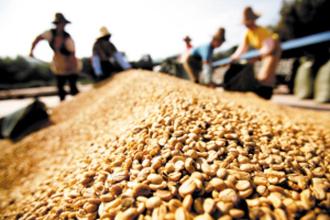
Coffee production of Jadeite Manor-the four groups of beans on display for 2016 global coffee production are ES-03 and ES-08 of Jadeite Manor, which are the same estate (Esmeranda), the same variety (rose summer), the same treatment (washing), and the same bidding club (rose summer auction of Jade Manor). The other Don Pachi and Elida are the same volcano (Balu Volcano) and the same treatment (sun exposure method).
Boutique Coffee Manor: global Coffee producing area America introduces various kinds of coffee beans in detail No.2
El Salvador's unique, mild-flavored coffee. El Salvador is one of the small countries in Central America with a dense population. The flavor of its coffee is characterized by excellent balance. Today, this coffee accounts for 40% of the country's exports. 35% of the extra hard beans of the best coffee are exported to Germany from January to March. In the early 1990s, guerrilla warfare greatly destroyed
Global Coffee Origin-Guatemala
In 1750, Father Jesuit introduced coffee trees to Guatemala, where German colonists developed the coffee industry in the late 19th century. Today, most of the coffee industry is produced in the south of the country.

Introduction of Rwanda Coffee Variety-Malaba Coffee beans
Rwandans have been growing coffee since colonial times, but until 1999, its products were still classified as below Class C and were not popular in the global market. The reason for the poor quality is that farmers do not have a fixed procedure for washing coffee beans and do not process coffee fruits according to specifications in time. Buyers buy coffee beans at $0.33 per kilogram, and farmers keep warm by the meagre profits earned at low prices.

A global coffee producer in Guatemala.
In 1750, Father Jesuit introduced coffee trees to Guatemala, where the coffee industry was developed by German colonists at the end of the 19th century. Today, most of the coffee industry's production takes place in the south of the country. Coffee production in Guatemala: the slopes of SierraMadre volcano provide ideal conditions for growing high-quality coffee beans at high altitudes.

Chimere Manor, Lutesilo production area, Western Province of Rwanda
Rwandans have been growing coffee since colonial times, but until 1999, its products were still classified as below Class C and were not popular in the global market. The reason for the poor quality is that farmers do not have a fixed procedure for washing coffee beans and do not process coffee fruits according to specifications in time. Buyers buy coffee beans at $0.33 per kilogram, and farmers keep warm by the meagre profits earned at low prices.

The first World Coffee producers Forum developed a road map to address common challenges
For professional baristas, follow Coffee Workshop (Wechat cafe_style) Medellin, Colombia, July 15, 2017 (GLOBE NEWSWIRE)-the first World Coffee producers Forum, which brings together representatives of the entire coffee value chain, concluded on Wednesday, with a final statement outlining a plan of action to address common challenges and other specific measures. The action

Nestle Spending $7.15 Billion to Acquire Starbucks 'Packaged Coffee and Tea Business
The latest news from China Coffee Network (gafei.com), Nestl, the global coffee leader, and Starbucks, the US coffee brand, announced today that they will form a cooperative alliance. Nestle will buy Starbucks 'retail coffee business for $7.015 billion, and the former will acquire some retail businesses outside Starbucks' own stores, including Starbucks 'packaged coffee and coffee.

Global Coffee producing area Guatemala Coffee Market
In 1750, Father Jesuit introduced coffee trees to Guatemala, where the coffee industry was developed by German colonists at the end of the 19th century. Today, most of the coffee industry's production takes place in the south of the country. Coffee production in Guatemala: the slopes of SierraMadre volcano provide ideal conditions for growing high-quality coffee beans at high altitudes.
Starbucks benefits from the rapid growth of China's coffee market
SBUX-US, the world's largest coffee chain, reported on Friday that revenue in the Asia-Pacific region jumped nearly 30 per cent, the highest since the same period last year. "CNNMoney" reported that Starbucks reported bright financial results, of which the biggest cash cow was China. RJHottovy, consumer stock analyst at Morningstar Fund, pointed out that Starbucks sold

History of coffee in Rwanda
The Rwandans of origin have been growing coffee since colonial times, but until 1999, its products were still classified as below Class C and were not popular in the global market. The reason for the poor quality is that farmers do not have a fixed procedure for washing coffee beans and do not process coffee fruits according to specifications in time. Buyers buy coffee beans at $0.33 per kilogram, and farmers rely on the meagre profits earned at low prices.